12 hr
Great Zimbabwe Ruins Full-Day Tour from Harare
Explore Southern Africa's largest ancient stone city and uncover the legacy of a powerful medieval empire
Reserve
Hand-picked by our editors — only the best 5 experiences from 24 reviewed.
Verified partners for every tour, free cancellation where available, and instant confirmation on every booking.
12 hr
Explore Southern Africa's largest ancient stone city and uncover the legacy of a powerful medieval empire
Reserve
7 hr
Seven-hour guided journey through Zimbabwe's capital—from ancient rock formations to liberation monuments
Reserve
5 hr
Discover Zimbabwe's capital through landmarks and neighborhoods, then meet rescued predators at a wildlife sanctuary.
ReservePrices from verified partners. Availability updates in real time at checkout. Free cancellation policies apply where shown.
The landmarks, rooms, and views travelers on this tour remember — all visible on a single visit.
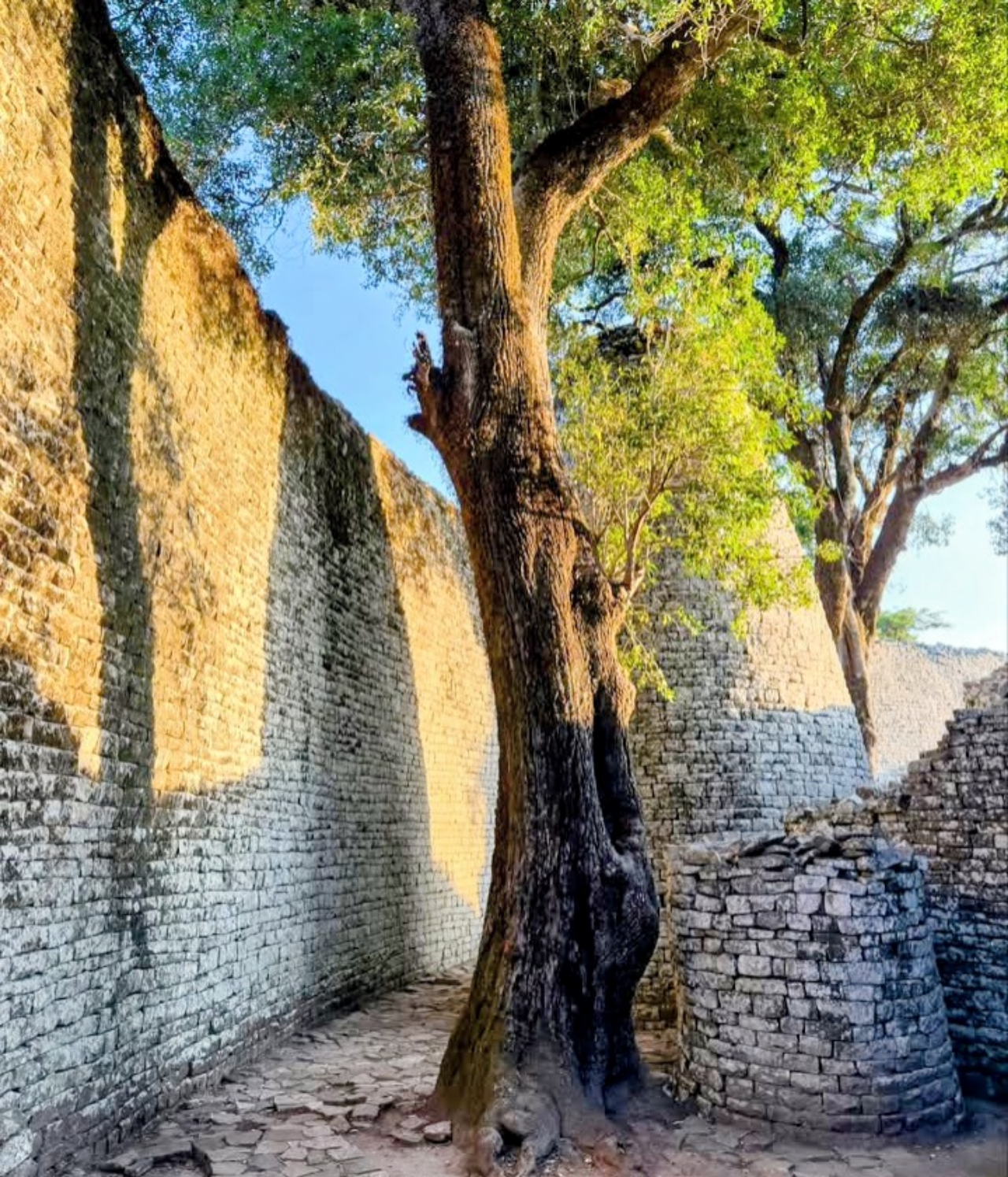
The largest single ancient structure south of the Sahara, featuring walls up to 9 meters high built without mortar.
The oldest part of the site, serving as a royal city and spiritual center with panoramic landscape views.
A mysterious solid stone tower within the Great Enclosure, often associated with grain storage or royal authority.
A series of residential complexes that showcase how commoners lived during the height of the kingdom.
Iconic carved soapstone sculptures that represent the national emblem found throughout the ruins.
Great Zimbabwe serves as a window into medieval civilization, while Chinhoyi Caves offers a deep dive into natural geology, making them distinct landmarks near the capital. Choosing between these great zimbabwe ruins from harare tours and cave excursions depends on whether you prefer archaeological exploration or subterranean exploration.
| Feature | Top pick Great Zimbabwe | Chinhoyi Caves |
|---|---|---|
Primary Interest |
Archaeological heritage | Subterranean geological formations |
Travel Time from Harare |
4.5–5.5 hours | 2 hours |
Duration on Site |
2–4 hours | 1–2 hours |
Walking Intensity |
High (inclines) | Moderate (steep stairs) |
Historical Significance |
UNESCO World Heritage Site | Local indigenous folklore significance |
Geological Significance |
Granite dry-stone masonry | Limestone and dolomite caves |
| See tickets → |
Verdict: Opt for the great zimbabwe ruins from harare tour if you prioritize ancient history, or select Chinhoyi Caves if you seek quick access to unique natural scenery.
Choose your ticket, select your date, and reserve in under two minutes. Secure checkout handled by our verified partner.
Instant confirmation by email, with a mobile voucher you can save offline. No printing, no queuing at a collection desk.
Arrive at the entrance, show your voucher on your phone, and walk in. Most tickets include priority or skip-the-line access.
Practical details for your visit straight from our verified partners — hours, access, rules, and how to get there.
Great Zimbabwe National Monument
Start of all guided monument tours
Follow the A9 highway towards Masvingo; drive 30 km to the site.
Hire private transfers from Masvingo or Harare for convenience.
Wear comfortable walking shoes and light, breathable clothing suitable for rocky terrain and sun exposure. A hat and sunglasses are highly recommended for your great zimbabwe ruins from harare tour.
Keep all personal belongings secure during your visit. Large backpacks may be cumbersome on the narrow paths within the Great Enclosure.
Photography is permitted throughout the Great Zimbabwe National Monument. Please refrain from climbing on historic walls to capture your shots while exploring great zimbabwe ruins from harare.
Some areas involve uneven stone pathways and steep climbs. Visitors with mobility concerns should focus on the valley sections of their great zimbabwe ruins from harare experience.
Great Zimbabwe is suitable for families, though children should be supervised closely near the historic stone walls. Educational visits are common for local school groups.
Carry sufficient water and light snacks, as on-site options are limited. Proper hydration is essential during your great zimbabwe ruins from harare excursion.
Best time to go, insider tips, nearby landmarks, and the cancellation fine print — flip through to skim what matters to you.
How crowds, weather, and events shift across the year.
Mild temperatures make this a great time for hiking the ruins.
Expect hotter weather; bring extra water and start early.
Cooler, dry air is ideal for photography at the site.
Cool mornings are perfect for avoiding heat during your tour.
Small details that turn a good visit into a great one.
Arrive at 08:00 to beat the heat and tour groups.
Consider hiring an expert guide at the entrance for historical context.
Wear sturdy shoes as the ground is uneven and rocky.
Carry more water than you think you need for the walk.
Use high-SPF sunscreen even on cloudy days.
Do not climb on the ancient stone walls.
Non-bookable sights within a short walk — free to visit, easy to pair.
A large reservoir offering scenic views and boating opportunities near the ruins.
Experience traditional culture and local crafts near the main site.
Flexible, no hidden fees.
Entry fees are typically non-refundable once processed. Contact the monument administration directly for any potential rescheduling of group conservation fees.
Hand-picked options within walking distance — pick a district for vibe, or a specific hotel for convenience.
Several established lodges located in the town center.
Convenient proximity to the historic stone monument.
The Great Enclosure's outer wall rises eleven metres without mortar, each granite block shaped by hand and laid in courses that have stood for six centuries. Built between the 11th and 15th centuries, Great Zimbabwe was the capital of the Kingdom of Zimbabwe, a Shona trading empire that controlled gold and ivory routes stretching to the Indian Ocean coast. At its zenith the city housed an estimated 18,000 people across 1,800 acres of stone-walled compounds, making it the largest medieval settlement in sub-Saharan Africa. The site takes its name from the Shona phrase dzimba-dze-mabwe, meaning houses of stone, a reference to the dry-stone masonry that defines every structure. Today the ruins remain Southern Africa's most significant archaeological monument, recognized as a UNESCO World Heritage Site in 1986. The complex divides into three distinct zones: the Hill Complex, perched on a granite outcrop and serving as the royal residence; the Great Enclosure below, with its iconic conical tower and chevron-patterned walls; and the Valley Ruins, where commoners lived and worked. Archaeologists have recovered soapstone bird carvings, Chinese porcelain, Persian glassware, and Arabian coins from the site, evidence of trade networks that linked Shona merchants to Kilwa, Sofala, and ports across the Swahili coast. The stonework itself reveals sophisticated engineering. Builders selected granite naturally fractured by temperature variation, then shaped each piece to interlock without cement or binding. Walls taper inward as they rise, distributing weight and resisting collapse. The Great Enclosure's outer wall runs 250 metres in circumference and required an estimated 900,000 granite blocks. Inside, a narrow stone corridor winds between the outer wall and an inner enclosure, its purpose still debated—ritual passage, acoustic chamber, or defensive corridor remain competing theories. Visitors approaching great zimbabwe ruins from harare cover 292 kilometres through the Midlands province, passing granite kopjes and msasa woodlands before reaching Masvingo. The journey from the capital takes roughly four hours by road. Conservation efforts led by the National Museums and Monuments of Zimbabwe have stabilized the walls and restricted foot traffic to designated paths, preserving the masonry for future study. The site opens daily at 08:00, with early morning light casting long shadows across the enclosures and highlighting the chevron patterns worked into the upper courses of the Great Enclosure's eastern wall.
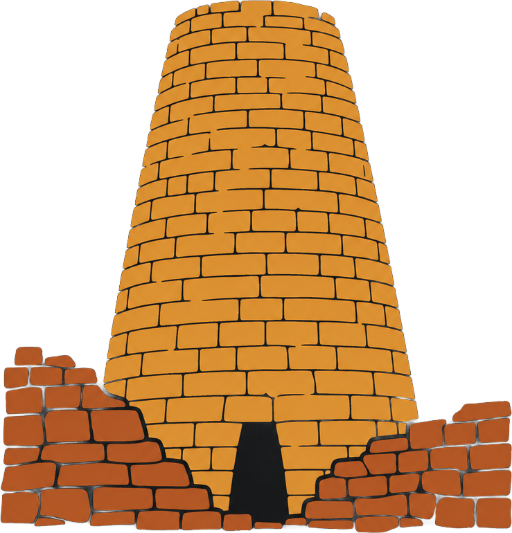
"At its zenith the city housed 18,000 people across 1,800 acres of stone-walled compounds, making it the largest medieval settlement in sub-Saharan Africa."
A step-by-step walkthrough of the visit — what you'll see, how long each stage takes, and the details that matter.
You leave Harare before dawn, the A4 highway cutting south through Mvuma and Zvishavane as the sun rises over granite hills. Four hours later you reach Masvingo, turn east, and arrive at the Great Zimbabwe National Monument by mid-morning. You pay the 15 USD conservation fee at the gate, collect your map, and begin at the Hill Complex. The climb is steep—160 granite steps worn smooth by centuries of feet—but the views from the Eastern Enclosure reward the effort: the Great Enclosure spreads below, its curved outer wall tracing a perfect ellipse through the valley. You descend and enter the Great Enclosure through the north entrance, a passage barely wide enough for two people. Inside, the walls rise around you, blocking wind and amplifying your footsteps. You follow the narrow corridor between the inner and outer walls, running your hand along granite blocks that fit together like a three-dimensional puzzle. At the corridor's end stands the Conical Tower, nine metres tall and solid stone, its purpose lost to time. You circle the tower, noting the chevron pattern banded across the wall above—a decorative flourish in a structure built for permanence. You finish at the Valley Ruins, walking among low-walled enclosures where soapstone carvings were unearthed in the 1890s. By early afternoon the heat is oppressive; you retreat to the small museum near the entrance, where recovered artifacts—iron tools, gold bangles, glass beads—map the trade routes that once tied this inland citadel to the coast.
The Great Zimbabwe National Monument is open daily from 08:00–16:30.
Yes, the conservation fee is 15 USD per person for international visitors.
The best arrival window is 08:00–10:30 to avoid midday heat and crowds.
Yes, professional guides can be arranged at the gate to enhance your tour of the Great Zimbabwe National Monument.
The site is roughly a 4-hour drive (approx. 338km) from Harare.
Yes, families are welcome to explore the history of the Great Zimbabwe National Monument together.
Options are limited, so it is recommended to bring water and light snacks for your visit.
You can drive or take a taxi from Harare or Masvingo to reach the Great Zimbabwe National Monument.
Bring water, sunscreen, a hat, and comfortable walking shoes for the rocky terrain.