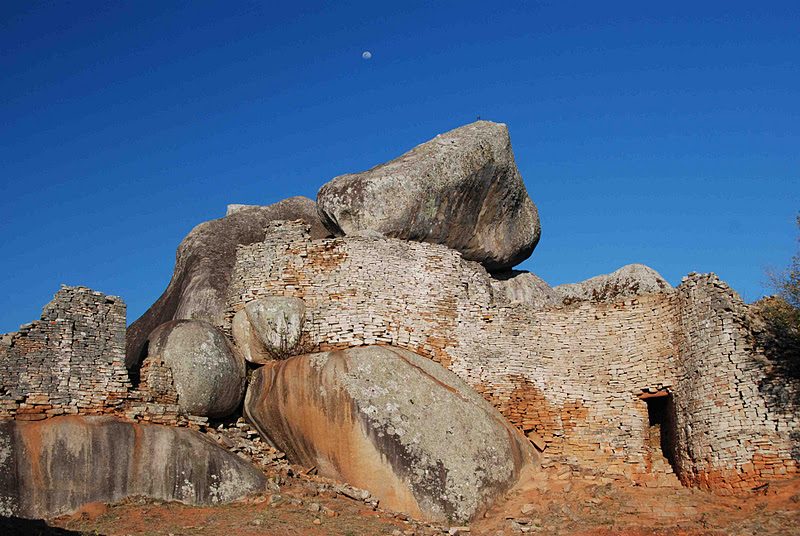
Hill Complex
Perched on the steepest hill, this area contains the oldest stone walls and served as a spiritual and royal center.
Climb the western path early to photograph the granite masonry.
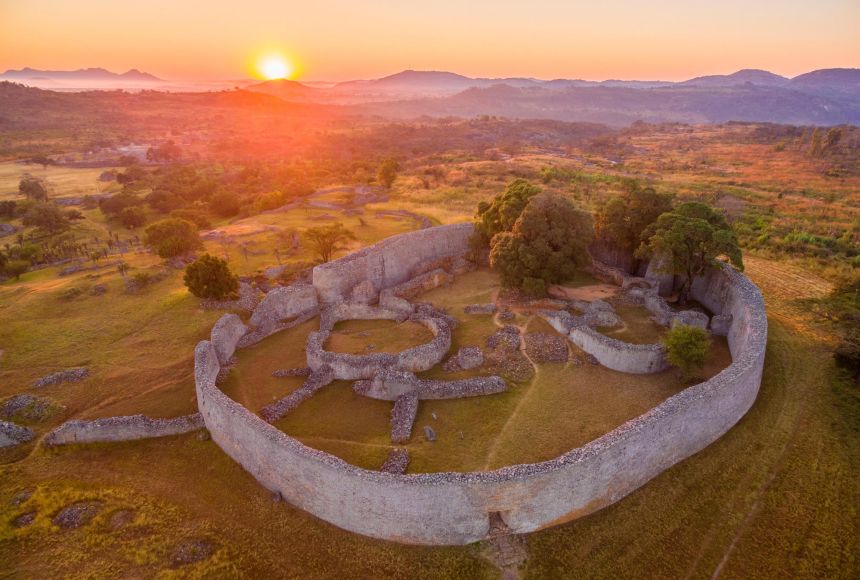
Great Zimbabwe National Monument occupies a granite plateau in Zimbabwe's southeastern highlands, 27 kilometers from the provincial capital of Masvingo. The ruins sit at coordinates 20.2708°S, 30.9338°E, positioned between the Mutirikwi and Tugwi rivers in a landscape that has remained largely unchanged since the city's construction between the 11th and 15th centuries.
Quick answer
Great Zimbabwe is located 27 kilometers southeast of Masvingo in Zimbabwe's southeastern highlands, positioned at 20.2708°S, 30.9338°E. The monument sits on a granite plateau between the Mutirikwi and Tugwi rivers, accessible via a paved road that branches from the Masvingo-Beitbridge highway. The site occupies approximately 730 hectares of protected land within the Masvingo Province.
The medieval stone capital known as Great Zimbabwe occupies a granite ridge system in the southeastern plateau region of modern Zimbabwe, 292 kilometers south of Harare and positioned strategically between two permanent river valleys. The Great Zimbabwe location was chosen by Shona builders for its defensive elevation, reliable water sources, and proximity to gold-producing zones that fueled the city's prosperity between 1100 and 1450 CE. The monument complex spreads across a granite hill and the valley below, with the Hill Complex perched 80 meters above the valley floor and commanding views across the surrounding savanna. This elevated position allowed residents to monitor trade routes connecting the interior goldfields with the Swahili coast, while the granite outcrops provided both building material and natural fortification. The valley monuments, including the iconic Great Enclosure with its 11-meter walls, occupy flatter ground where the majority of the estimated 18,000 residents lived and worked. Masvingo serves as the gateway city for visitors approaching the ruins, with the provincial center offering accommodation, fuel, and supplies before the 30-minute drive southeast along a well-maintained road. The route passes through communal lands and granite kopje formations typical of Zimbabwe's eastern highlands, with the monument's location deliberately set back from main transportation corridors to preserve the archaeological integrity of the 730-hectare protected zone. The National Museums and Monuments of Zimbabwe maintains the site boundaries, which encompass not only the stone structures but also the surrounding cultural landscape that supported the city's agricultural and pastoral economy. Understanding where the ruins sit within Zimbabwe's geography clarifies why this location became the region's preeminent center between the Limpopo and Zambezi rivers. The site occupies a transitional ecological zone where granite highveld meets lower-altitude savanna, providing diverse resources and microclimates that sustained a complex urban society for more than three centuries. The monument's position 27 kilometers from Masvingo places it within easy reach of contemporary infrastructure while maintaining the isolation that has protected the stonework from modern encroachment, allowing visitors to experience the scale and ambition of Africa's most significant medieval archaeological site in its original setting.
“The granite plateau between the Mutirikwi and Tugwi rivers provided the elevation, stone, and water that made Great Zimbabwe the dominant center of its region for three centuries.”
Great Zimbabwe National Monument is located near the town of Masvingo in southeastern Zimbabwe. The most direct approach for visitors traveling from Harare is by road via the A4 highway.
A4 highway from Harare to Masvingo, then local access roads
Intercity bus from Harare to Masvingo, then local taxi
Private transfer from Masvingo town center to monument site
For the most efficient access, follow signs for Great Zimbabwe National Monument south of Masvingo town. Arriving during the 09:00–12:00 window helps you manage the site trails more comfortably.
The Great Zimbabwe National Monument is open to visitors daily throughout the week. The site maintains consistent operating hours to allow for exploration of the monument grounds.
The Great Zimbabwe site is divided into three distinct architectural zones, each showcasing the stone-building techniques of the medieval period. Exploring these areas requires navigating varied terrain, ranging from steep rocky paths to open valley floors.
Perched on the steepest hill, this area contains the oldest stone walls and served as a spiritual and royal center.
Climb the western path early to photograph the granite masonry.
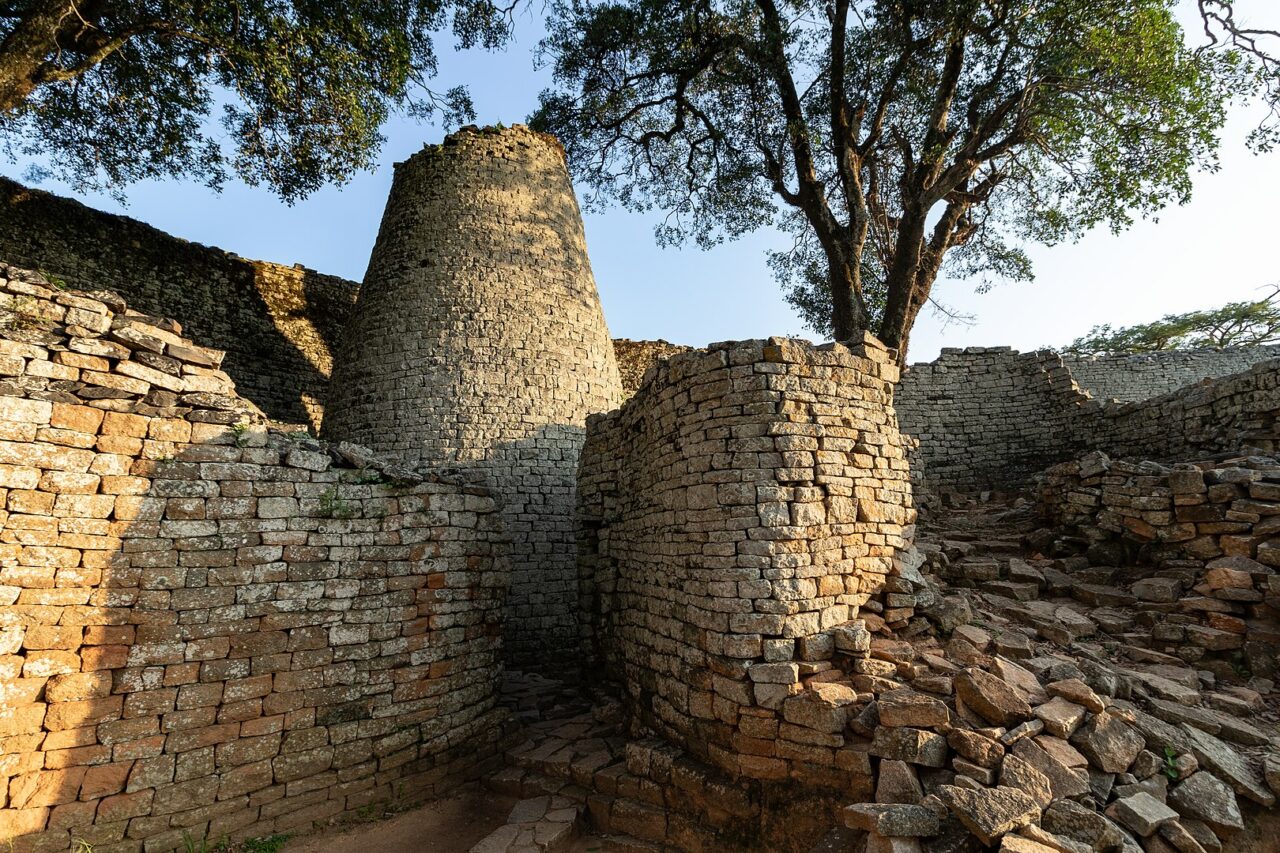
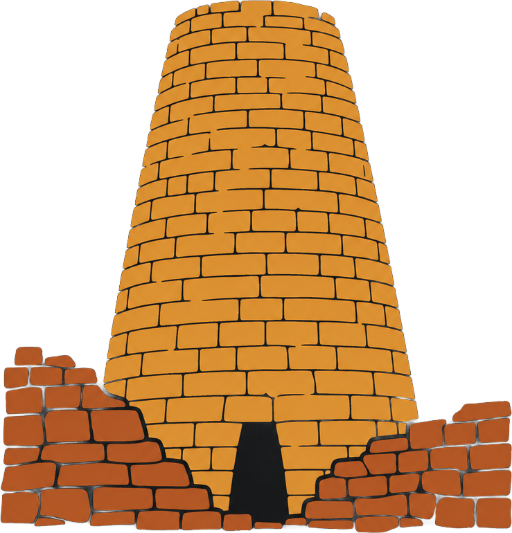
Recognized for its massive outer wall, this structure features a conical tower and narrow passageways built without mortar.
Walk the inner passage to see the height of the walls.
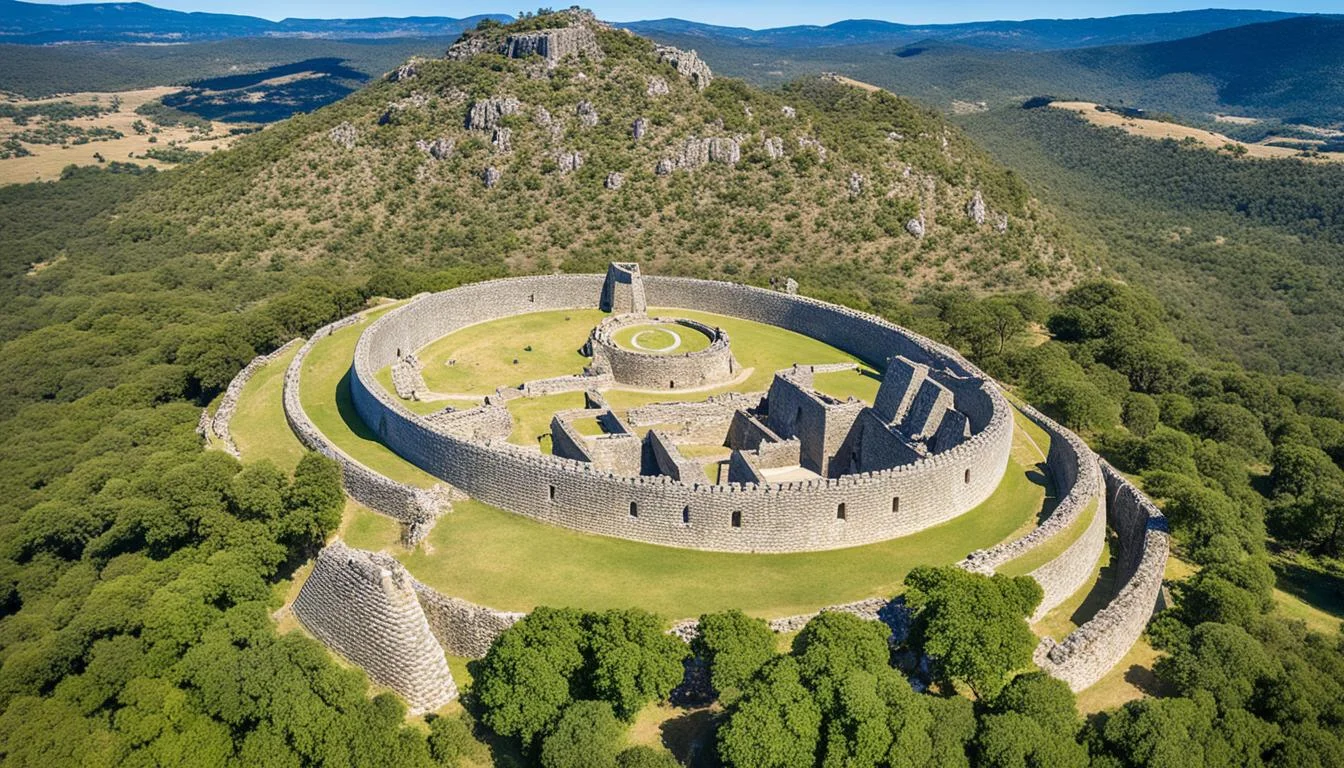
Situated between the Hill Complex and the Great Enclosure, this zone consists of various residential structures and enclosures.
Look for the lower wall patterns from the main trail.
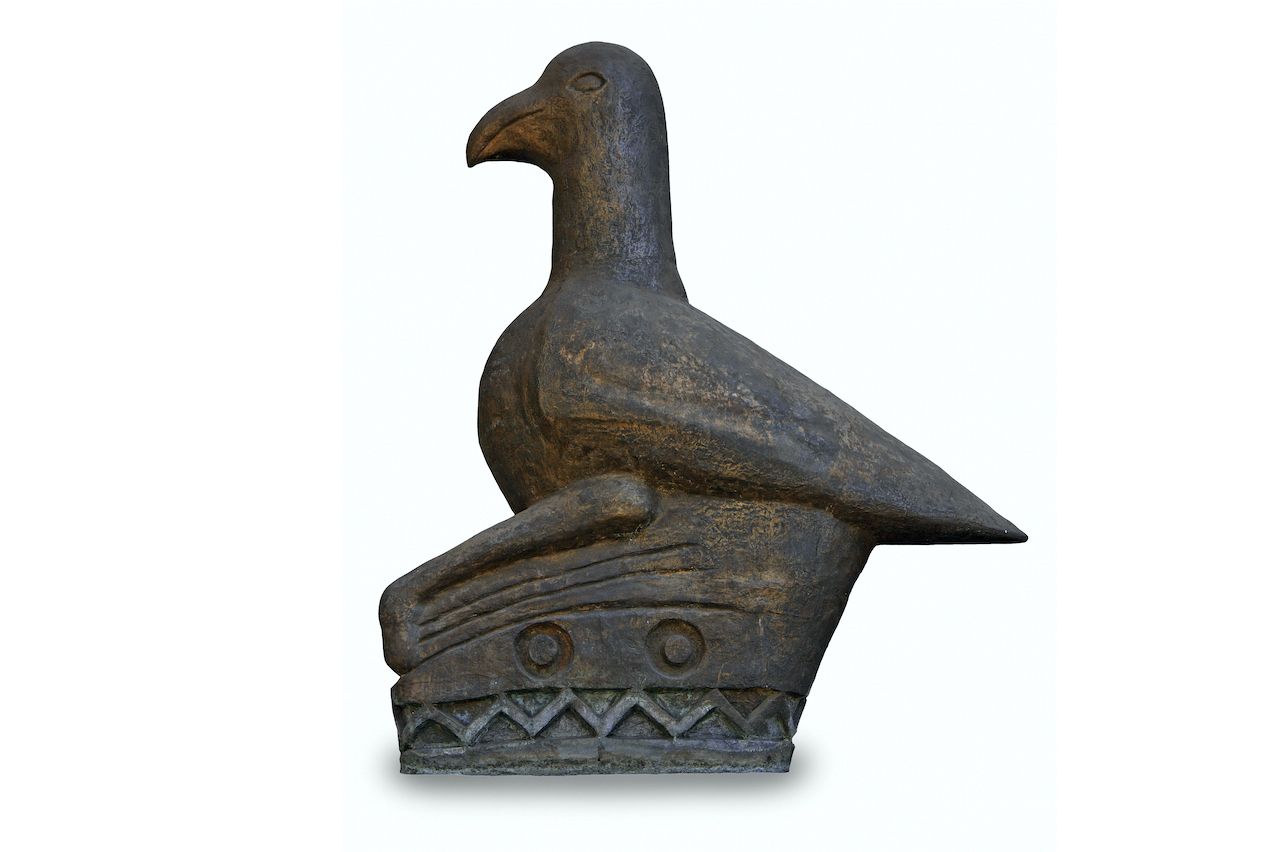
Located near the entrance, the museum houses artifacts recovered from the ruins, including soapstone bird carvings.
Visit before exploring the ruins to provide historical context.
Everything you need to know about great zimbabwe location
The great zimbabwe location is situated near Masvingo, Zimbabwe. This historic site remains a prominent African archaeological destination.
Travelers typically reach the great zimbabwe location via Masvingo by road from Harare. Visitors often arrange private transport for the most reliable access to these ruins.
The standard conservation fee for foreign adult visitors is 15 USD. This fee is payable upon arrival at the entrance.
The monument operates daily from 09:00–17:00. This schedule remains consistent throughout the week.
The best arrival window for the great zimbabwe location is between 09:00–12:00. Arriving early helps visitors avoid midday heat and ensures cooler temperatures while hiking the trails.
The site is open to the public from Monday through Sunday. Guests may plan their visit for any day within these operating times.
Yes, the entrance fee includes entry to the on-site museum. This allows visitors to explore the artifacts discovered at the Zimbabwe stone ruins.